

What we've built
South Africa's constitution at 30

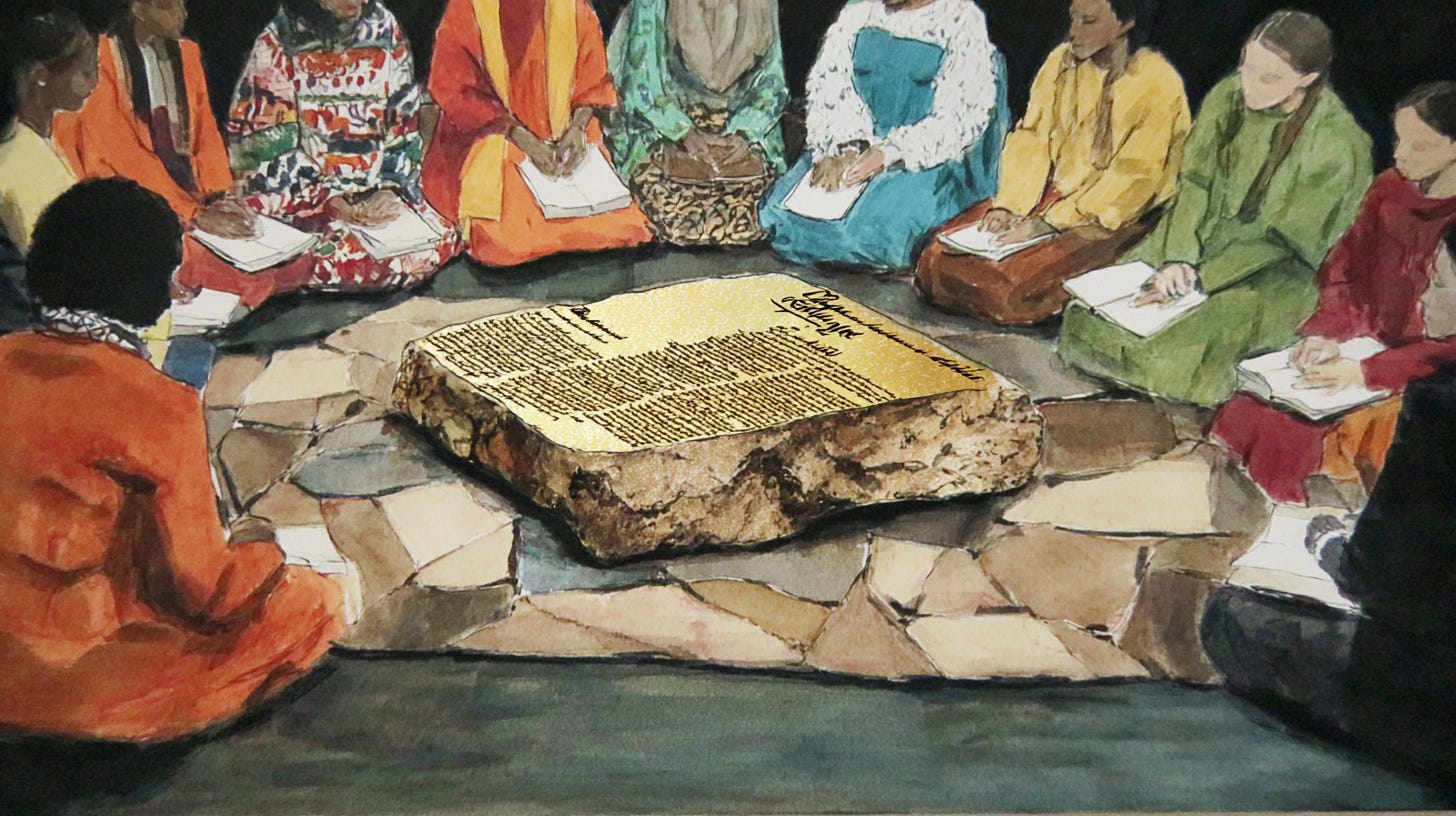
On 8 May 1996, Nelson Mandela rose in the Constitutional Assembly to celebrate a document that had taken two years of negotiation, compromise, and no small amount of faith. ‘The Constitution whose adoption we celebrate,’ he said, ‘constitutes an unequivocal statement that we refuse to accept that our Africanness shall be defined by our race, colour, gender or historical origins.’ The chairman of that Assembly was a young Cyril Ramaphosa – later honoured with the Order of the Baobab in Silver for his work on the text.
Nearly thirty years later, the constitution is still standing. That fact alone deserves attention. In the mid-1990s, scholars worried openly about how long it might last. A new democracy, deep inequality, a dominant party, a history of political violence – the ingredients were not obviously those of constitutional longevity. Yet here we are. The Bill of Rights remains intact. The Constitutional Court has overruled sitting presidents. The document has survived changes in government, an attempted insurrection, and the slow erosion of state capacity that has come to define the post-Mandela era.
Here is a question the anniversary invites: did the particular design of the constitution – proportional representation, a parliamentary executive, a unitary state – shape South Africa’s economic trajectory? Would the country have grown faster, or spent less, had the Constitutional Assembly made different choices?
