

Commitment devices
What the Cape Town Cycle Tour can teach us about hosting mega-events – and life

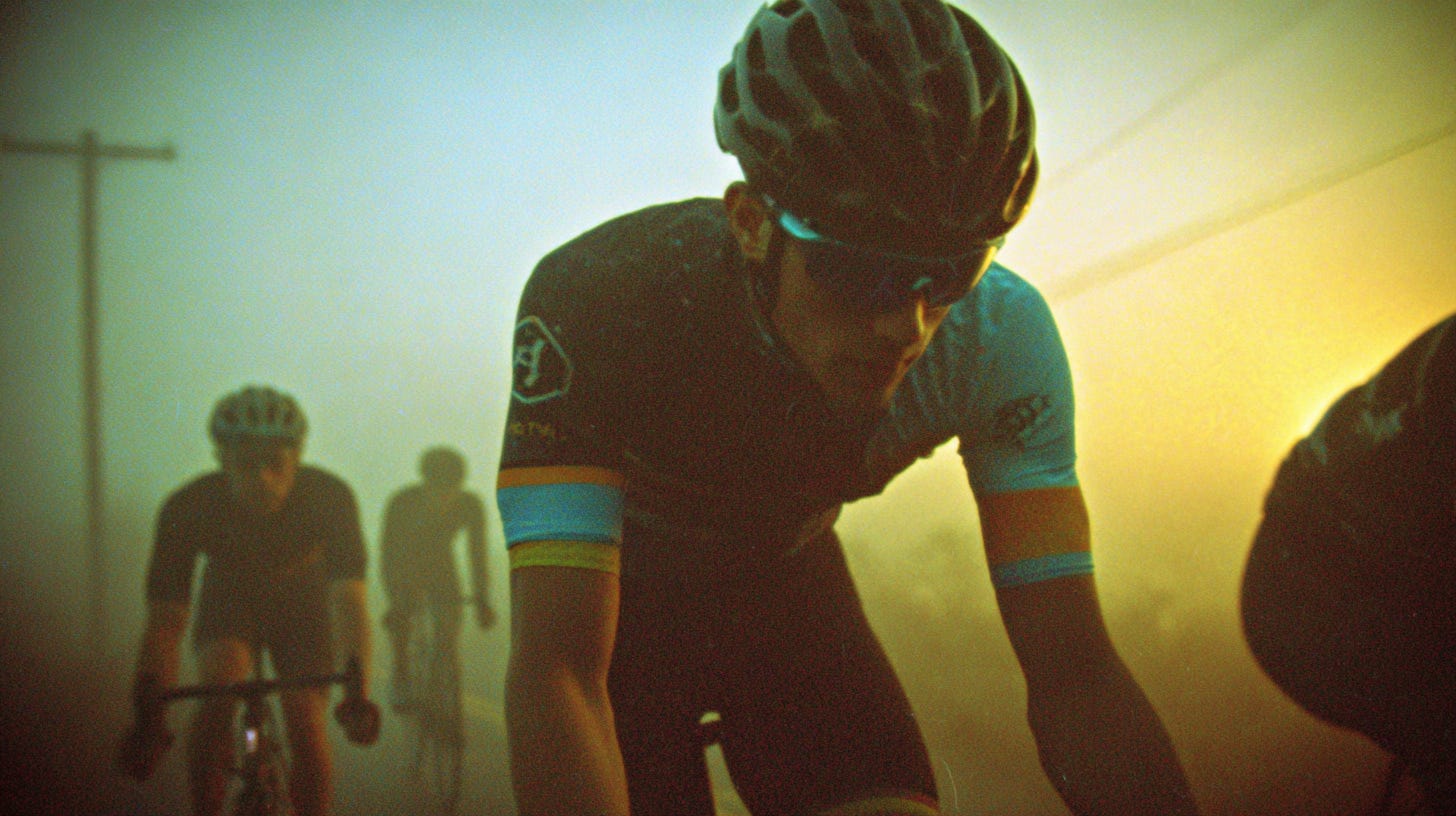
Thirty-three years ago my dad, 37 years old, began the Cape Argus cycle tour as one of the 18,659 participants. But he would not be one of the 15,256 to finish the race. Coming down Hospital Bend, he raced at around 70 km/h downhill. And then, disaster. A crash. The details are a bit sketchy, but we know he gave his personal details at the reception of Groote Schuur Hospital. And then he collapsed.
I remember coming home from church and hearing the news. Life would never quite be the same again.
My dad was in a coma for more than a month. Doctors gave him little chance of recovery. And yet he did. That’s a different story.
Suffice to say that I’ve never had a great love of cycling – nor of the Argus (its name changed to The Cape Town Cycle Tour a few years ago). But it remains one of the biggest dates on the Cape Town calendar. More so this year, as it joins the prestigious UCI Gran Fondo World Series, with over 35 races across the globe each year. Cape Town Cycle Tour participants will now have the opportunity to qualify for the 2026 UCI Gran Fondo World Championships, set to take place from 26 to 30 August in Niseko, Japan.
Why are these events so successful?
The answer, I think, lies in what economists call a ‘commitment device’: a way of binding your future self to a course of action you might otherwise abandon. Think of it this way. In January, you sign up and pay the entry fee. You tell your colleagues you’re riding. You join a training group that meets at 5:30 on Saturday mornings. You buy the lycra – which, let’s be honest, commits you publicly in ways you cannot undo. Each step raises the cost of quitting. By the time March arrives, backing out means losing not just the money but the story you’ve been telling yourself – and everyone else – about who you are.
