


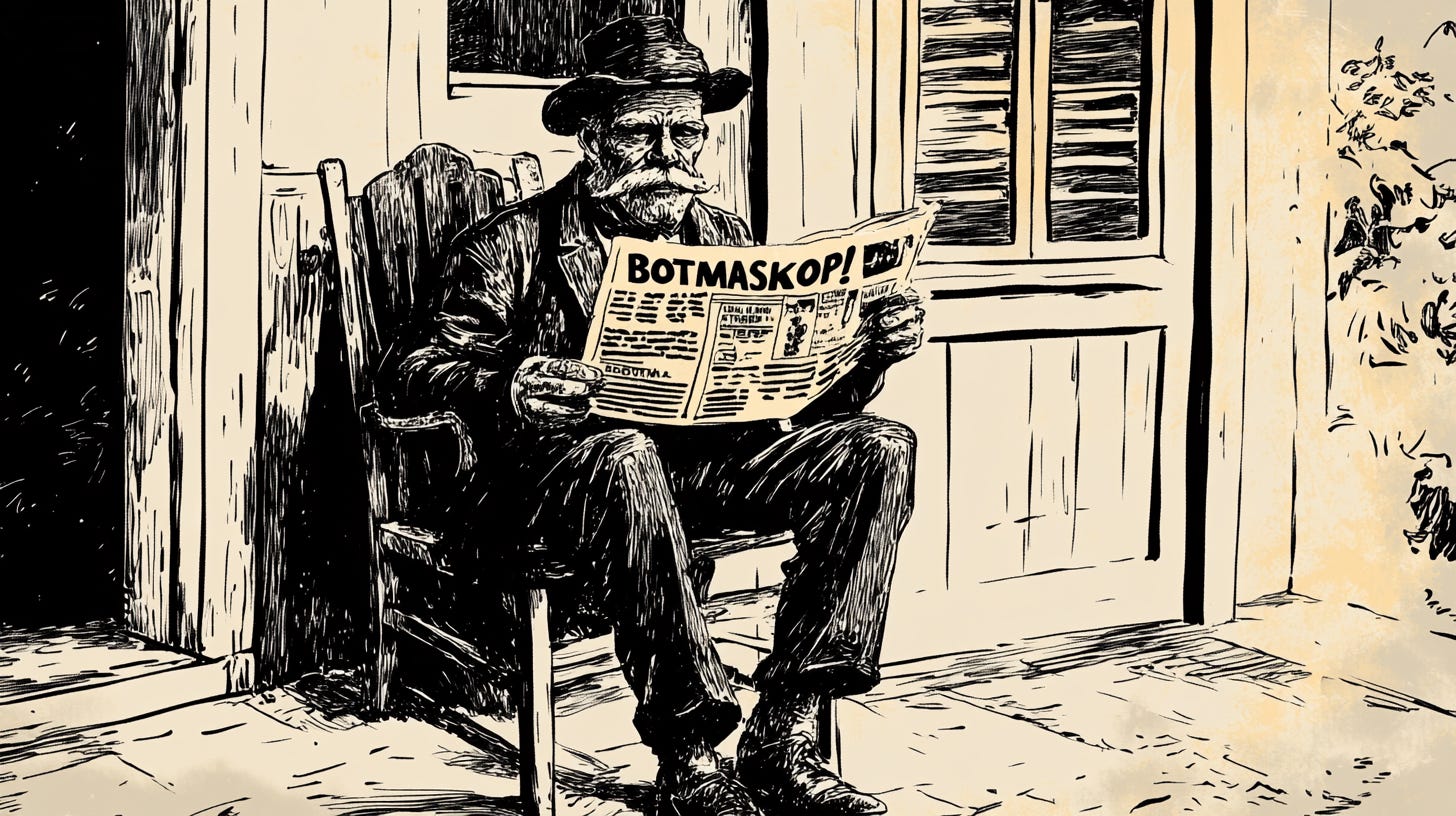
On 5 May 1967, Prof AC Cilliers, a retired professor of theoretical physics and author of a book on the limits of growth, wrote an article in Die Burger lamenting the development of Stellenbosch:
As a unique entity, Stellenbosch today must be considered fully developed – or nearly so. Any significant further growth will undoubtedly distort its already threatened image as a rural and tranquil university town even more; and will ultimately cause it to lose its unique soul or ethos. Stellenbosch was never originally laid out or intended to become a large city. Yet the way we are proceeding now, it is rapidly on its way to becoming just that.
For example, one of the major business enterprises recently purchased the smallholding east of the new extension at Unie-Park to transform it into a new residential neighbourhood – which will make traffic to and from town via Van Riebeeck Street and Merriman Avenue, streets that largely encircle the university precinct, even worse than it already is. Another large business has bought a farm adjacent to the Dalsig extension, on the Strand side of town, and plans to build several hundred houses and a few apartment blocks. He wants to invest his money wisely, and has chosen Stellenbosch as the most attractive location for doing so.
Since the end of the Second World War, Stellenbosch’s population has increased rapidly to around 25,000, of which about half are white and the other half non-white. Where will it end? At 50,000 or 100,000 or even more, once all the hills and valleys surrounding Stellenbosch are built up?
In April last year, I published my own lament. In contrast to Prof Cilliers, I argued in favour of further development, prompted by the court-ordered halt of a luxury estate on the slopes of Botmaskop. I argued that the development offered not only ecological renewal and improved safety on previously neglected slopes but significant economic and social benefits: jobs for the unemployed, rates for the municipality and spending at local restaurants and shops. I suggested that the case for Botmaskop Estate remains ‘overwhelmingly strong’.
